Our Trauma &
Microsurgery Approach
At Dr. Sravani Plastic & Cosmetic Center, trauma and reconstructive care focuses on saving tissue, restoring function, and rebuilding appearance after complex injuries. Each case is evaluated in detail, with microsurgical precision and a structured plan from emergency care to long-term recovery.
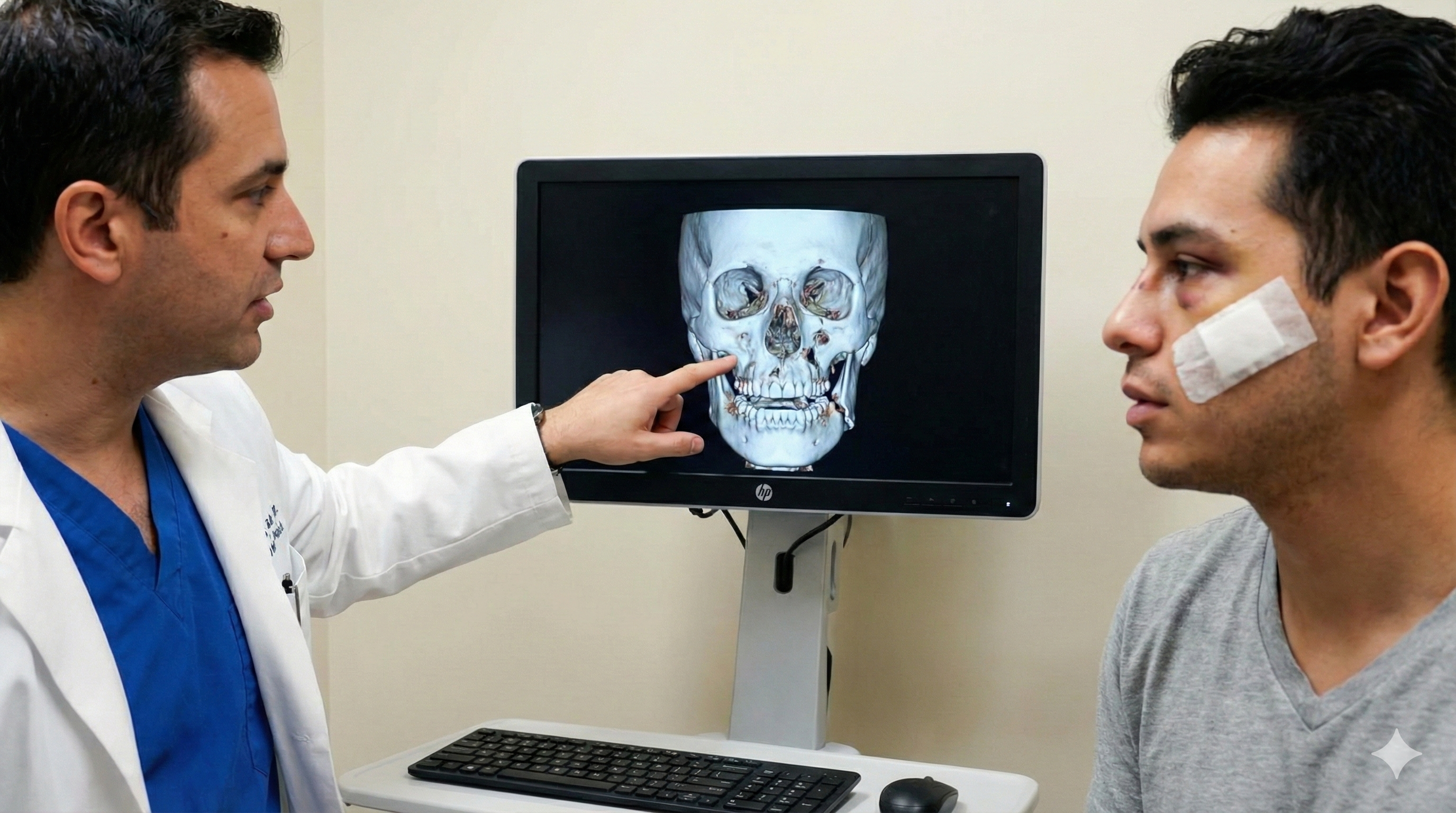
Facial trauma can involve cuts, soft tissue loss, or fractures of the nose, cheek bones, jaw, or eye socket. These injuries affect both appearance and vital functions such as vision, breathing, and bite.
Treatment focuses on precise realignment of bones, careful repair of soft tissues, and hidden or strategic incision placement to minimise visible scarring.
The goal is to restore symmetry, function, and confidence while protecting important structures like the eyes, nerves, and airway.
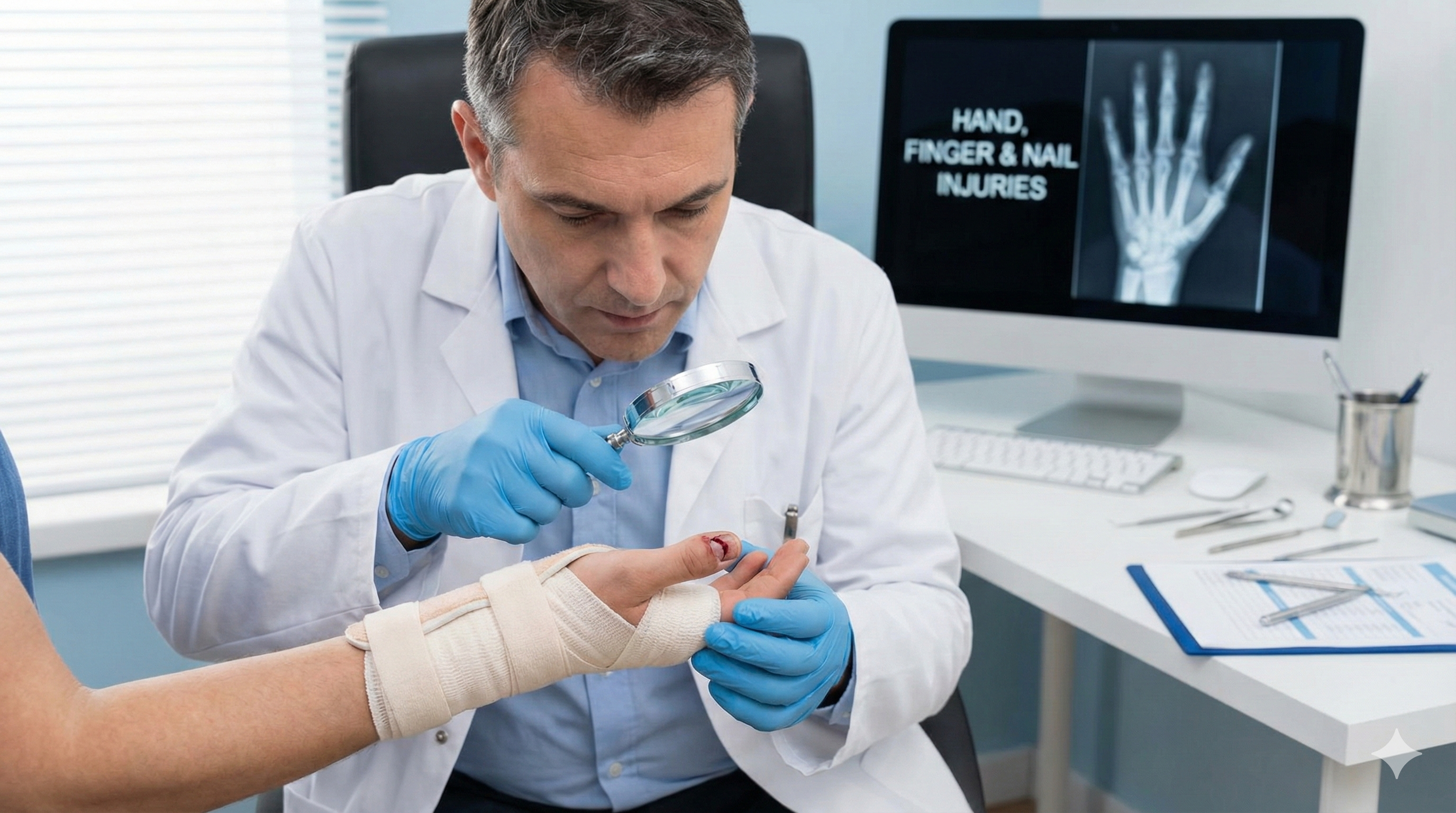
Hand and finger injuries can severely impact daily activities, grip strength, and fine movements. Common injuries include cuts, crush injuries, fractures, tendon cuts, and nail bed damage.
Treatment may include fracture fixation, tendon repair, nerve repair, nail bed reconstruction, and soft tissue coverage using flaps or grafts.
Our aim is to preserve length, mobility, sensation, and appearance, followed by early mobilisation wherever possible to reduce stiffness.
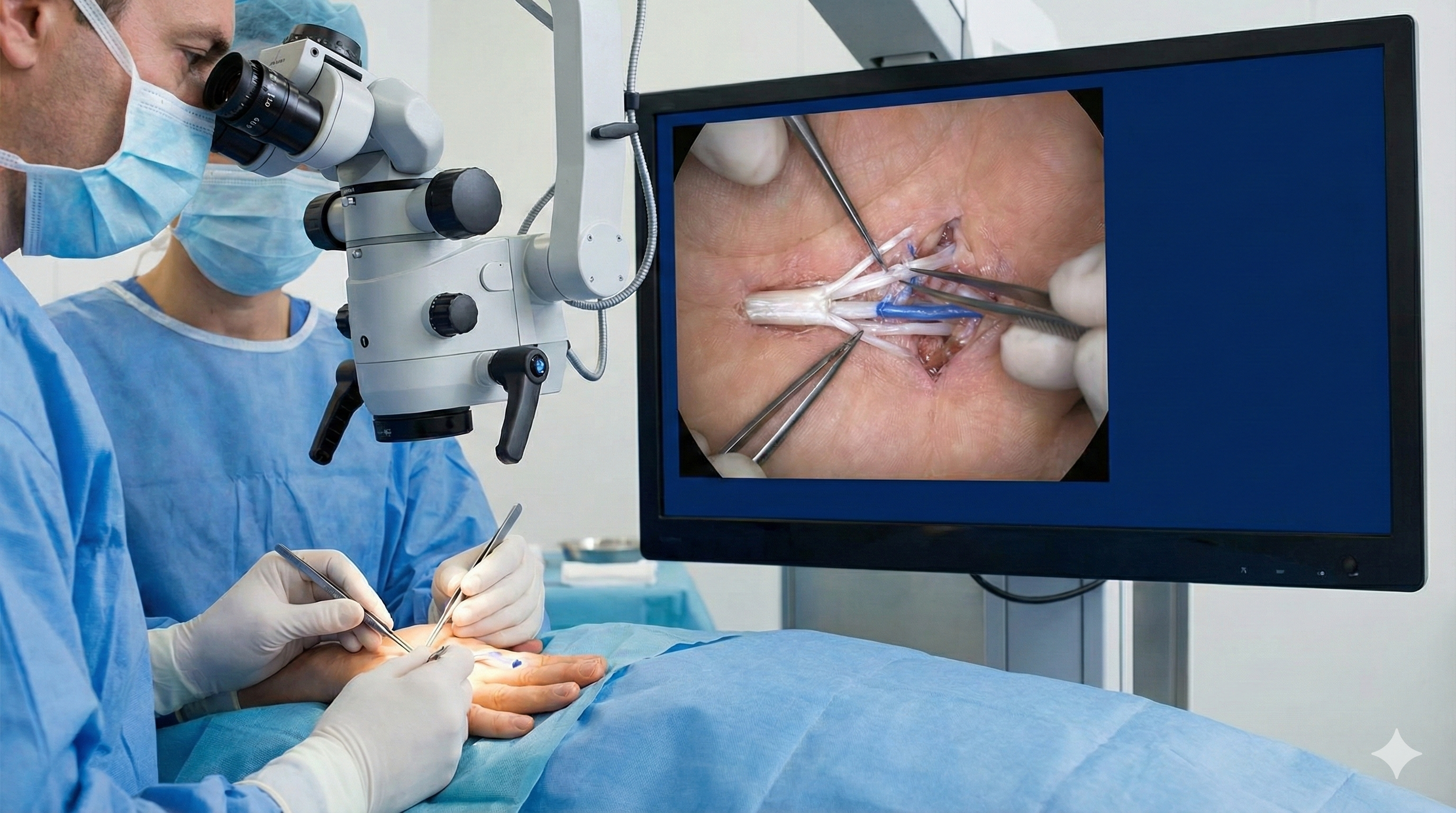
Deep cuts and high-impact injuries can damage nerves, tendons, and blood vessels, leading to loss of movement, sensation, or circulation in the affected part.
Microsurgical techniques are used to repair or reconstruct these vital structures under magnification, aiming to restore as much function as possible.
Timely repair, proper splinting, and guided rehabilitation are crucial for good long-term outcomes in nerve and tendon injuries.
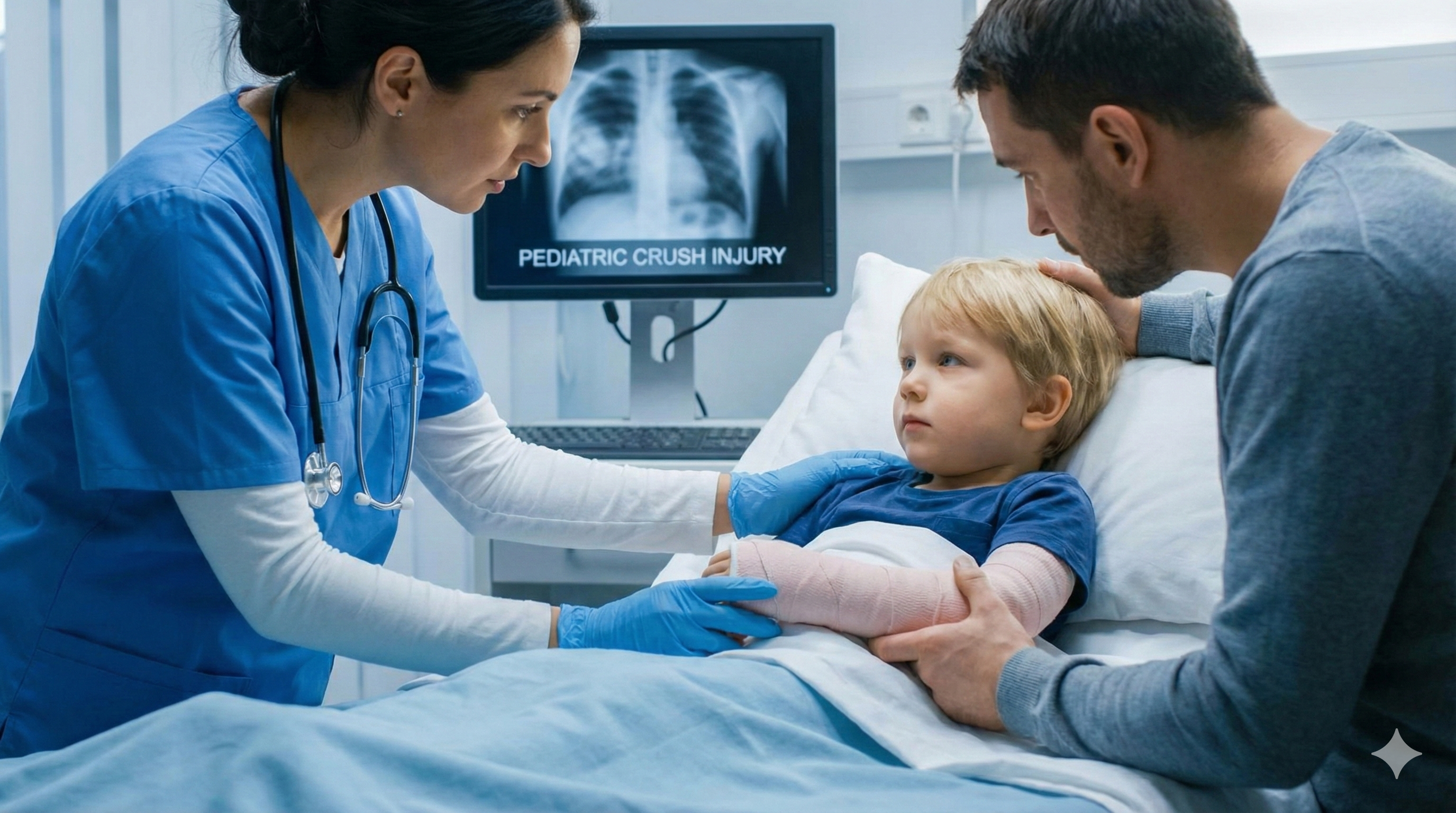
Children’s injuries require special attention to growth plates, future development, and emotional comfort. Crush injuries in both adults and children can involve multiple tissues at once.
Treatment may combine debridement (cleaning damaged tissue), fracture fixation, soft tissue coverage, and staged reconstruction to save and rebuild the affected area.
The focus is on limb salvage wherever possible, infection control, and planning for long-term function, growth, and quality of life.
Structured Trauma Care
For Safe Reconstruction
Every trauma case is different. The treatment plan depends on the type of injury, time since trauma,
associated medical conditions, and functional needs.
We prioritise life and limb safety first, followed by staged reconstruction for the best possible outcome.
Emergency Assessment &
Stabilisation
Initial evaluation of wound, fractures, blood supply, and nerve function, with stabilisation of the patient and injured limb. Basic cleaning, dressings, and splints are applied as needed.
Imaging, Planning &
Reconstruction Strategy
X-rays, scans, and detailed clinical assessment are used to plan bone fixation, soft tissue repair, and need for microsurgery or flaps, with clear explanation to the patient and family.
Definitive Surgery &
Microsurgical Repair
Fracture fixation, tendon and nerve repair, vessel repair, soft tissue coverage, or flap reconstruction are performed under strict safety and infection-control protocols.
Rehabilitation, Follow-Up
& Secondary Corrections
Regular follow-up, physiotherapy guidance, splinting, and if required, secondary procedures to refine function or appearance, supporting long-term recovery and independence.