Our Burn Care
Approach & Expertise
Burns and post-burn reconstruction require timely intervention, meticulous planning, and long-term care. At Dr. Sravani Plastic & Cosmetic Center, treatment focuses on saving life, preserving function, minimizing deformity, and restoring confidence through advanced reconstructive techniques.
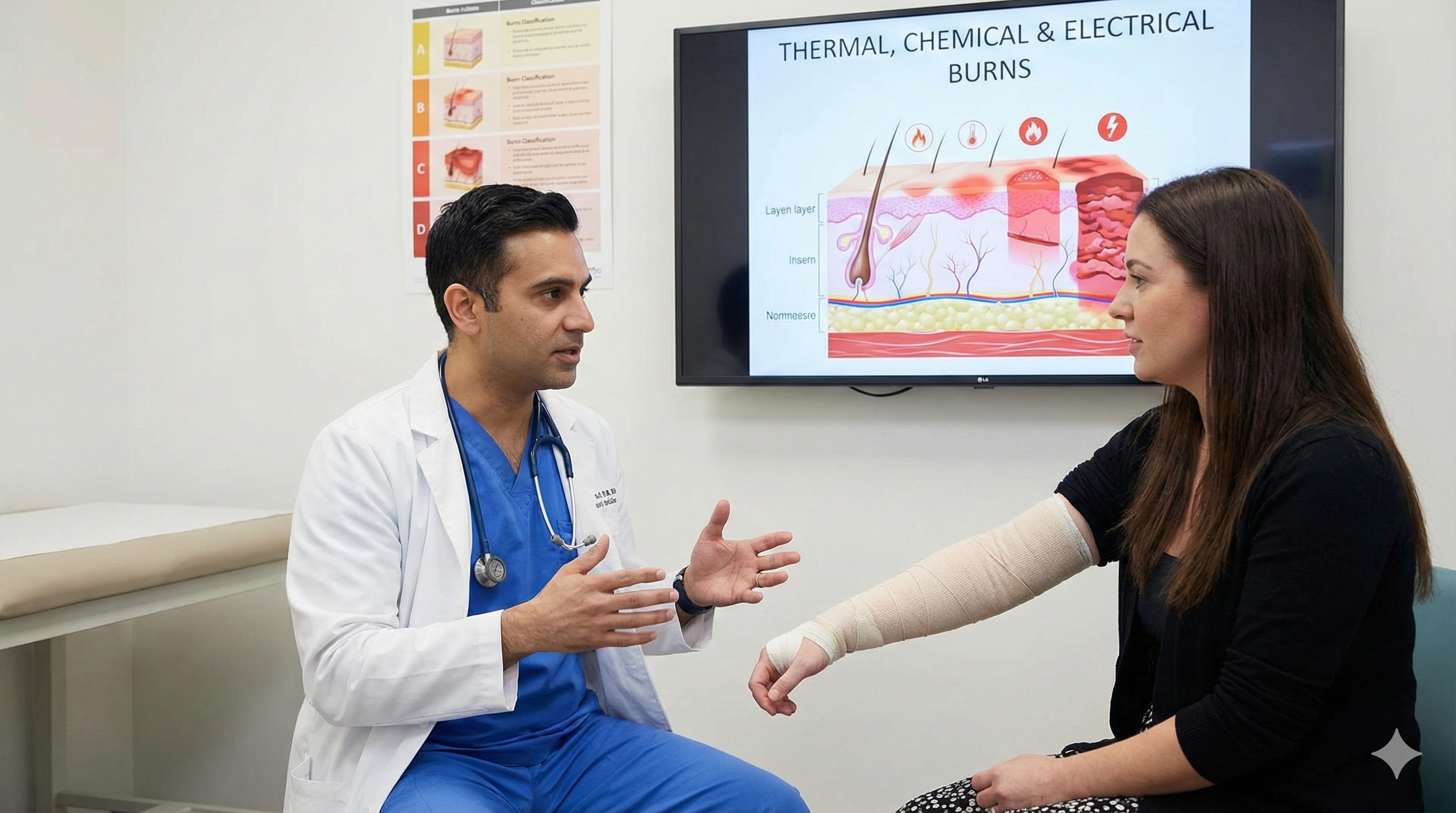
Acute burn injuries caused by heat, chemicals, or electricity require immediate and specialized care to control infection, prevent tissue loss, and support healing.
Treatment includes wound assessment, debridement, dressings, infection control, and surgical intervention when necessary.
Early intervention plays a critical role in reducing long-term scarring and functional impairment.
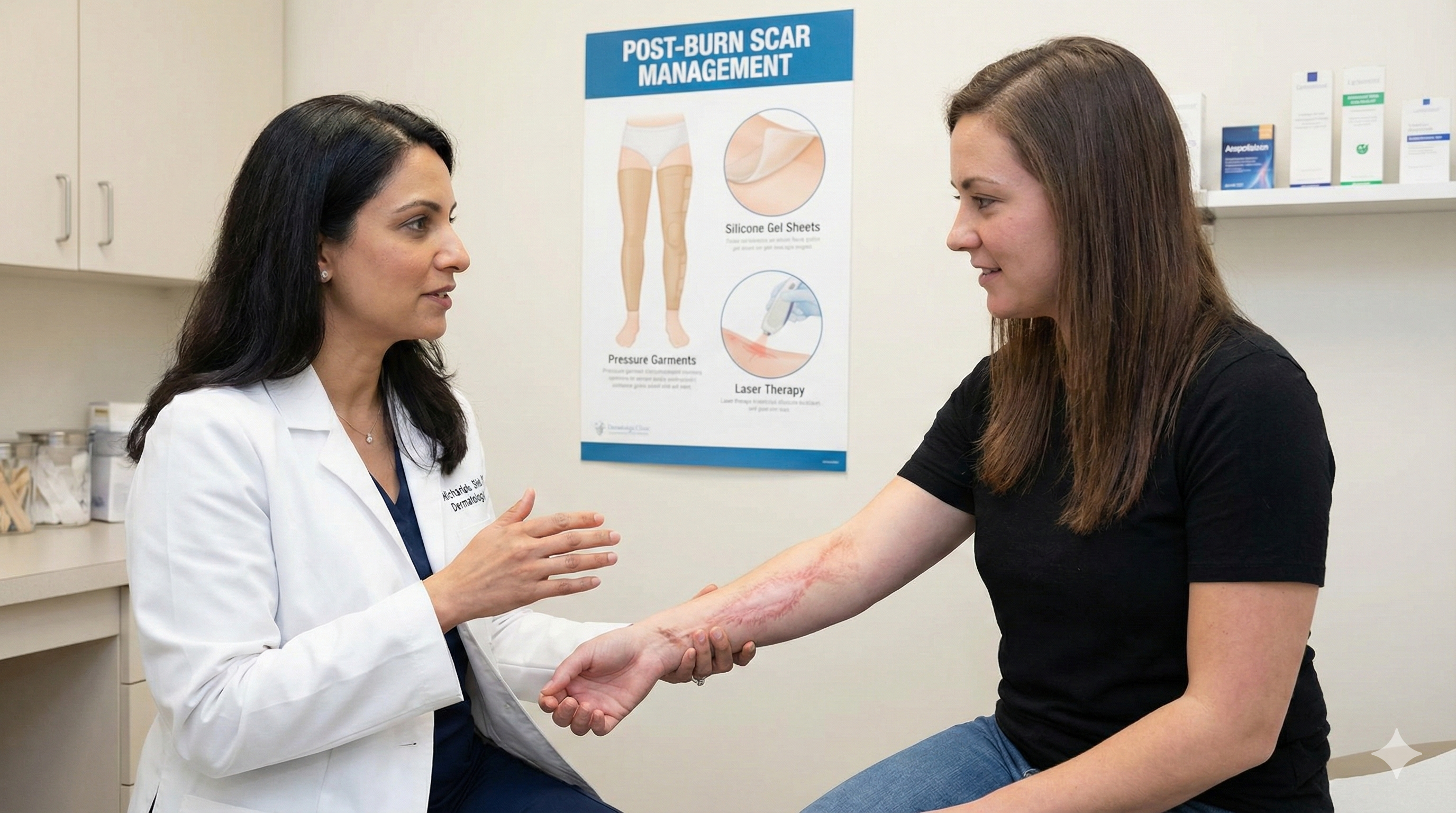
Post-burn scars may cause tightness, pain, cosmetic concerns, and restricted movement. Scar management focuses on improving texture, flexibility, and appearance.
Treatment options include surgical revision, pressure therapy, steroid injections, laser treatments, and rehabilitation support.
Each scar is assessed individually to select the safest and most effective approach.
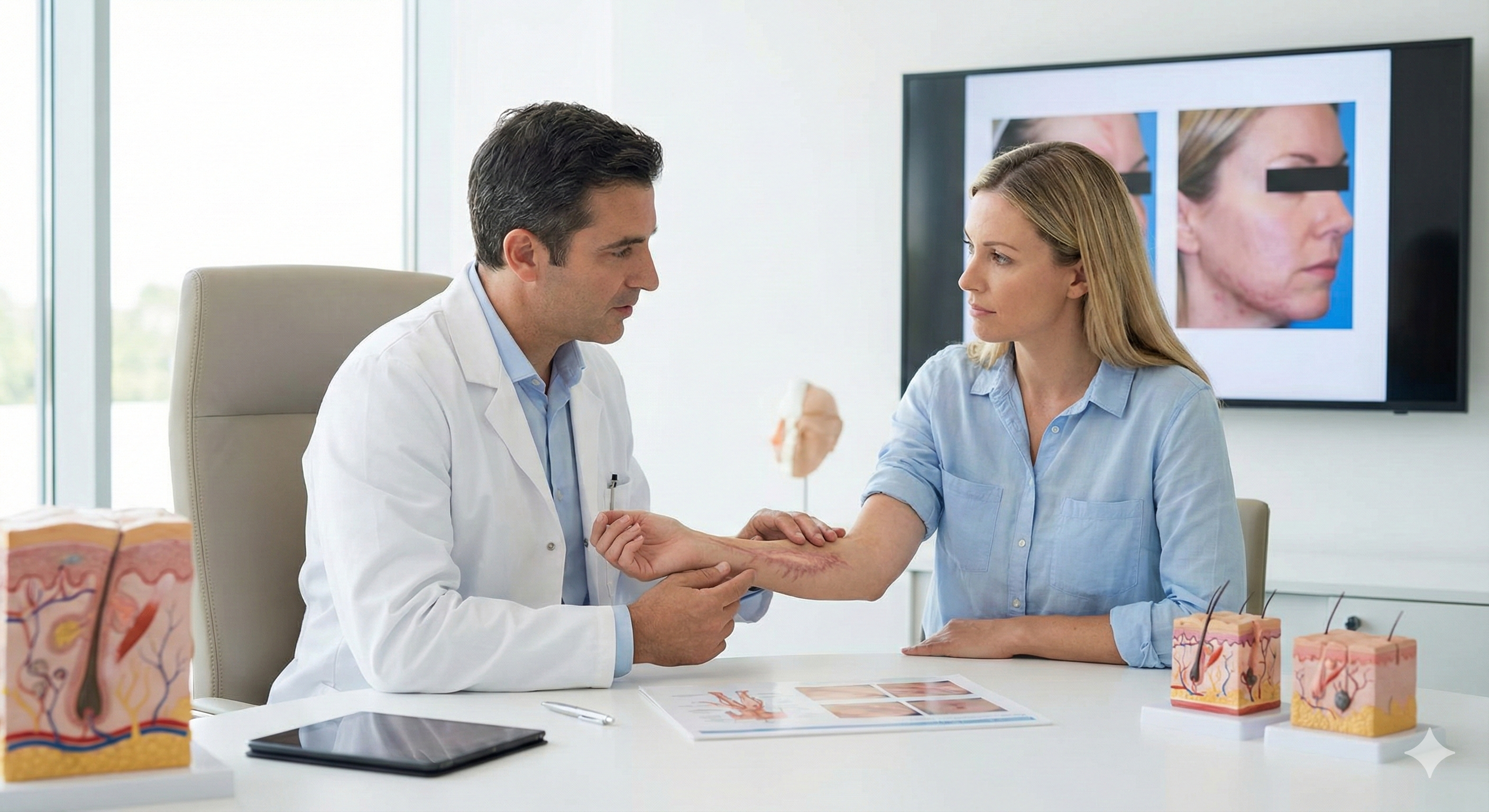
Severe burns may lead to contractures and deformities affecting the face, neck, hands, joints, or limbs.
Corrective surgery aims to release tight scars, restore movement, and improve symmetry and appearance.
Functional restoration is always prioritized alongside cosmetic improvement.
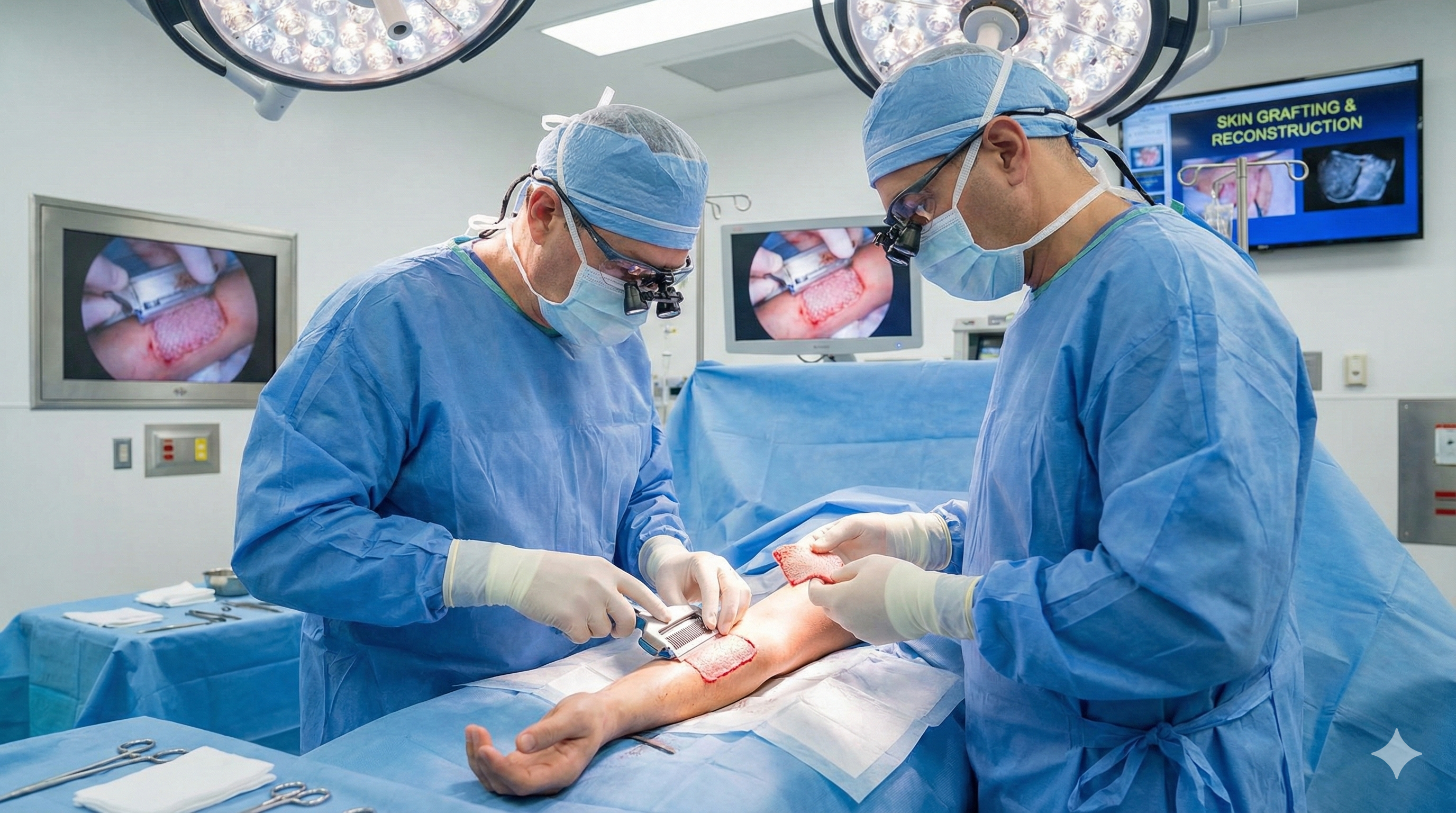
Skin grafting and reconstructive procedures are used when large areas of skin are lost due to burns.
Techniques are selected based on wound depth, location, and healing potential to achieve durable coverage.
Reconstruction is planned in stages to support healing, function, and long-term comfort.
Structured Burn Care
From Injury to Recovery
Burn treatment plans depend on severity, depth, and healing stage. Care is delivered in phases with continuous monitoring and rehabilitation support.
Emergency Assessment & Stabilization
Evaluation of burn severity, wound care initiation, infection prevention, and stabilization of affected areas.
Surgical Planning & Reconstruction
Planning of grafting, reconstruction, or corrective surgery based on healing progress.
Scar Management & Rehabilitation
Ongoing scar care, physiotherapy guidance, and interventions to restore movement.
Long-Term Follow-Up & Support
Continued monitoring, secondary corrections if needed, and emotional support for recovery.